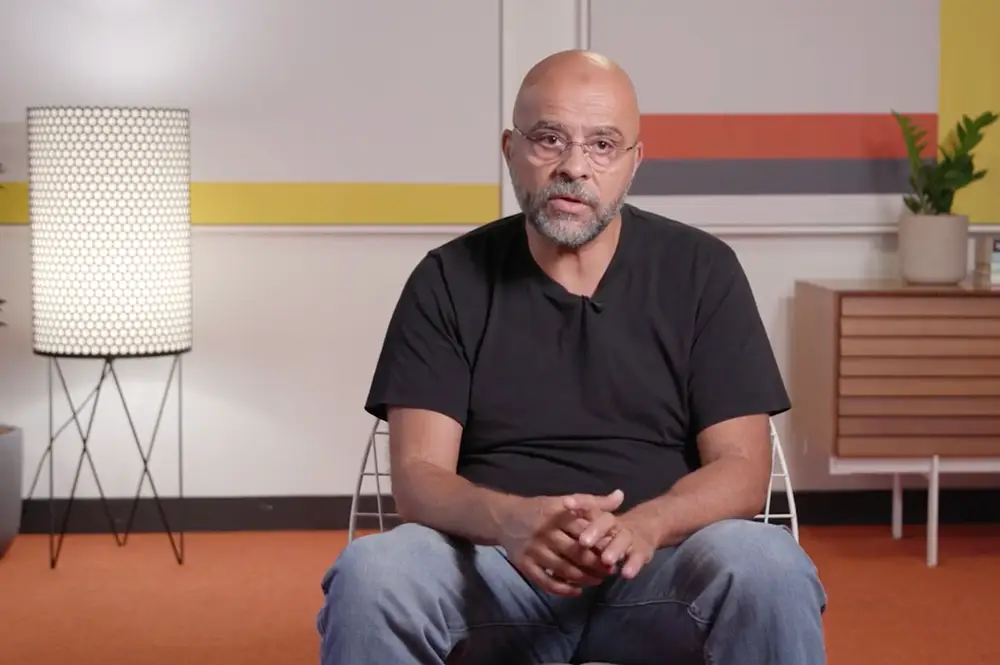
人工智能正以一种现有体系无法承受的方式与资本主义发生碰撞。这是莫·高达特在9月接受《商业内幕》记者里姆·马库尔采访时表达的观点。
高达特曾在大型科技公司工作数十年,包括在微软和谷歌X担任高级领导职务。他逐渐意识到,一旦机器取代大部分人类劳动力,支撑现代资本主义的经济模式就会崩溃。
他告诉《商业内幕》,“资本主义的根基——劳动力套利,即以一美元的价格雇佣你,然后以两美元的价格出售你创造的劳动成果——将会消失。”
在高达特看来,人工智能不仅仅是自动化任务,它正在消除对人类劳动力的需求,并最终大规模地取代人类决策。
他表示,一旦这种情况发生,工资、就业和消费——这些维持资本主义运转的支柱——将开始瓦解。然而,尽管我们未来可能会面临一段坎坷的旅程,但最终的目标值得我们努力追求。
高达特认为,资本主义建立在一个简单的理念之上:支付给人们低于其生产价值的工资,以更高的价格出售产品,并从中赚取差价。这种模式依赖于人类劳动。
人工智能正在威胁这一根基。
随着机器承担越来越多的工作,生产成本不断下降。高达特表示,人工智能正将生产成本推向越来越接近零成本的境地。
当这种情况发生时,关于定价、利润和稀缺性的传统观念将不再适用。
他补充道,仅靠生产力无法维持经济运转。如果人们没有收入,他们就无法购买商品。而没有买家,整个系统就会停滞不前。
高达特直言不讳地表达了他对未来趋势的看法。
他预计,蓝领和白领工作都将面临大规模的失业潮。律师、分析师、作家、高管——他说,所有人都将受到影响。
他说,“你我都会经历某些行业失业率高达20%、30%甚至50%的时期。”
他对那些将人工智能驱动的裁员包装成效率提升的科技领袖们尤其持怀疑态度。他表示,从长远来看,人工智能系统最终也会取代他们。
“这些CEO们忘记了,人工智能迟早也会取代他们,”他说,并补充道,“人工智能在所有方面都比人类更胜一筹,包括担任CEO。”
当围绕就业而建立的资本主义体系突然面临就业岗位大幅减少的局面时,将会发生什么?
如果没有某种形式的收入保障,消费就会崩溃。而当消费崩溃时,资本主义就无法运转。各国政府将被迫重新思考资金在社会中的流动方式。
“没有消费,就没有经济,”他说,并补充道,“所以他们必须给人们提供某种收入,以维持生计。”
他认为不同地区应对这种转型的方式会有所不同。西方经济体高度重视生产力和个人产出,它们或许会面临最大的挑战。
尽管警告不断,加瓦特并不认为人工智能本身具有危险性。
他将智能描述为中性的——强大,但自身没有方向。他表示,真正的风险在于过渡时期,届时人工智能系统将拥有强大的能力,但仍然受制于人类基于贪婪、竞争和权力而构建的激励机制。
他说,“人类今天面临的挑战并非人工智能的崛起,而是人工智能在人类道德沦丧的时代崛起。”
加瓦特相信,随着时间的推移,机器将比当今的政治和企业领导人做出更理性的决策。他认为,这种转变最终可能会产生一个比我们现在所处的体系更加公平的体系。
在他看来,资本主义将无法以目前的形式继续存在。但这并不意味着未来必然黯淡无光。
“这是一种变革的契机,”他说。 “如果你做出改变,你不仅会创造生存的机会,还会创造蓬勃发展的机会。”
Artificial intelligence is colliding with capitalism in a way the system can’t absorb. That’s what Mo Gawdat told Business Insider’s Reem Makhoul over an interview in September.
After decades working inside Big Tech, including senior leadership roles at Microsoft and Google X, Gawdat has come to believe that the economic model underpinning modern capitalism breaks once machines replace most of the human workforce.
“The very base of capitalism, which is labor arbitrage — to hire you for a dollar and then sell what you make for two — is going to disappear,” he told Business Insider.
In Gawdat’s view, AI isn’t just automating tasks. It’s removing the need for human labor and, eventually, human decision-making at scale.
When that happens, wages, jobs, and consumption — the pillars that keep capitalism running — start to fall apart, he said. However, while we may be in for a rocky ride ahead, the ultimate destination is one worth aiming for.
Capitalism, Gawdat argues, is built on a simple idea: pay people less than the value of what they produce, sell the output for more, and keep the difference. That model depends on human labor.
AI threatens that foundation.
As machines take on more work, the cost of making things keeps falling. AI pushes production closer and closer to zero cost, Gawdat says.
When that happens, familiar ideas about pricing, profit, and scarcity stop working the way they always have.
You can’t run an economy on productivity alone, he added. If people don’t earn wages, they can’t buy things. And without buyers, the system stalls.
Gawdat is blunt about what he thinks comes next.
He expects large waves of job losses across blue- and white-collar work. Lawyers, analysts, writers, executives — all of them, he said, are exposed.
“Your life and mine will witness times where there will be 20%, 30%, 50% unemployment in certain sectors,” he said.
He’s especially skeptical of tech leaders who frame AI-driven layoffs as efficiency wins. In the long run, he said, AI systems will come for them, too.
“Those CEOs forget that sooner or later the AI will replace them too,” he said, adding, “AI is better than humans at every task, including being a CEO.”
What will happen when the capitalist system built around jobs suddenly has far fewer of them?
Without some form of guaranteed income, consumption collapses. And when consumption collapses, capitalism can’t function. Governments will be forced to rethink how money flows through society.
“Without consumption, there is no economy,” he said, adding, “So they’re going to have to give people some kind of income to keep going.”
He thinks different regions will handle this transition differently. Western economies, which place heavy value on productivity and individual output, may struggle the most.
Despite the warnings, Gawdat doesn’t see AI itself as dangerous.
He describes intelligence as neutral — powerful, but directionless on its own. The real risk, he said, is what happens during the transition, when AI systems are highly capable but still answering to human incentives built around greed, competition, and power.
“The challenge that humanity faces today is not the rise of AI, it’s the rise of AI in an age where humanity is at its lowest morality,” he said.
Over time, Gawdat believes machines will make more rational decisions than today’s political and corporate leaders. That shift, he argues, could ultimately produce a fairer system than the one we have now.
Capitalism, in his view, won’t survive in its current form. But that doesn’t mean the future has to be bleak.
“It’s an invitation to change,” he said. “And if you change, you would create not only an opportunity to survive, but an opportunity to thrive.”