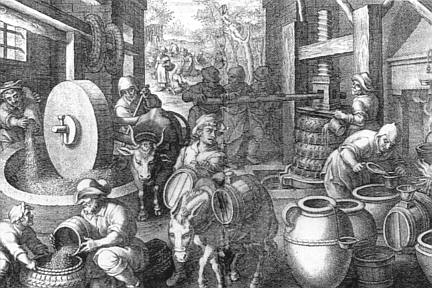
19世纪:橄榄油价格昂贵,是地中海地区特有的奢侈品,备受英国贵族推崇。由于橄榄树生长缓慢且产量低,因此供应有限。问题:需求超过供给。解决方案:欺诈。意大利和西班牙的生产商开始用更便宜的油来稀释橄榄油。最初,他们添加的是植物油(棉籽油,后来是大豆油)来增加供应。这种混合油被贴上“橄榄油”的标签,并以橄榄油的价格出售。这并非轻微掺假。市面上高达50%的“橄榄油”都掺杂了其他油脂。这种造假行为一直延续到20世纪。随着政府检测的普及,生产商的手段也越来越高明。他们只掺入适量的橄榄油,以通过基本的检测,同时通过掺入植物油来最大化利润。2000年代:丑闻爆发。汤姆·穆勒的《特级初榨橄榄油》揭露了系统性的橄榄油造假行为。研究表明,美国超市中60%至80%的“特级初榨橄榄油”掺假或等级不符。方法:用更便宜的植物油来稀释橄榄油- 使用精炼橄榄油并将其标注为“特级初榨”- 完全混合其他植物的精油- 将进口油贴上“意大利”标签,而实际上它们来自其他地方虚假的有机/PDO(原产地保护名称)认证规模之大:这是一起由意大利黑手党组织策划的数百万美元的欺诈案。有人甚至因为橄榄油欺诈而被谋杀。这并非小打小闹的犯罪——而是有组织的国际食品欺诈。检测结果显示,“橄榄油”通常含有:大豆油、葵花籽油、菜籽油、榛子油或它们的混合物。有些标有“橄榄油”的瓶子里根本就不含橄榄油。为什么这很重要:人们购买橄榄油以为自己避免了摄入植物油。结果他们买到的恰恰是他们想要避免的东西,价格却高出5倍,还被贴上了“健康地中海脂肪”的标签。你的“橄榄油”沙拉酱:很可能主要成分是大豆油。你所说的“用橄榄油烹饪”:很可能主要是混合植物油。你的“意大利特级初榨橄榄油”:可能产自意大利,可能是橄榄,也可能是初榨。或者以上都不是。150多年来,消费者一直在不知不觉中食用植物油,却以为自己吃的是橄榄油。地中海地区的人们食用“橄榄油”,很可能在不知情的情况下摄入了大量掺假的植物油。市面上确实存在一些品质上乘的橄榄油,但价格昂贵且稀少。超市里的橄榄油很可能掺假。即使是“特级初榨”的标签,如果没有第三方检测,其真实性也难以保证。如何判断你买到的橄榄油是否是真货?大多数情况下,你根本无法判断。目测行不通。品尝测试不可靠。化学分析成本高昂。你只能信任供应链。结论:当你认为通过改用橄榄油就完全避免了食用植物油时,你可能只是改变了你购买的植物油品牌。1800s: Olive oil is expensive, prestigious, Mediterranean luxury. British aristocracy prizes it. Supply is limited because olive trees grow slowly and yield is low.Problem: Demand exceeds supply. Solution: Fraud.Italian and Spanish producers start cutting olive oil with cheaper oils. Initially, seed oils (cottonseed, later soybean) are added to stretch supply. The blend is labeled "olive oil" and sold at olive oil prices.This isn't marginal adulteration. Up to 50% of "olive oil" on the market contained other oils.The fraud continues into the 1900s. When government testing becomes more common, producers get more sophisticated. They mix just enough olive oil to pass basic tests while maximizing profit from seed oil substitution.2000s: Scandal breaks. Tom Mueller's "Extra Virginity" exposes systematic olive oil fraud. Studies show 60-80% of "extra virgin olive oil" in US supermarkets is adulterated or misgraded.The methods:- Cutting olive oil with cheaper seed oils- Using refined olive oil and labeling it "extra virgin"- Mixing in oils from other plants entirely- Labeling imported oils as "Italian" when they're from elsewhere- Fake organic/PDO (protected designation of origin) certificationsThe scale: Multi-million dollar fraud coordinated by mafia organizations in Italy. People have been murdered over olive oil fraud. This isn't small-time crime - it's organized international food fraud.Testing shows "olive oil" often contains: Soybean oil, sunflower oil, canola oil, hazelnut oil, or combinations. Some bottles labeled olive oil contain no olive oil at all.Why this matters: People buy olive oil thinking they're avoiding seed oils. They're getting precisely what they're trying to avoid, marked up 500% and labeled as healthy Mediterranean fat.Your "olive oil" salad dressing: Probably mostly soybean oil. Your "cooking with olive oil": Probably mostly seed oil blend. Your "Italian extra virgin": Maybe from Italy, maybe olive, maybe virgin. Or none of the above.For 150+ years, consumers have been unknowingly eating seed oils while thinking they were eating olive oil. The Mediterranean populations eating "olive oil" were probably eating significant amounts of seed oil adulteration without knowing it.Some legitimate olive oil exists. It's expensive and rare. Supermarket olive oil is likely adulterated. Even "extra virgin" labels are unreliable without third-party testing.How do you know if your olive oil is real?You mostly can't. Visual inspection doesn't work. Taste testing is unreliable. Chemical analysis is expensive. You're trusting the supply chain.The takeaway: When you think you've eliminated seed oils by switching to olive oil, you might have just changed which brand of seed oil you're buying.